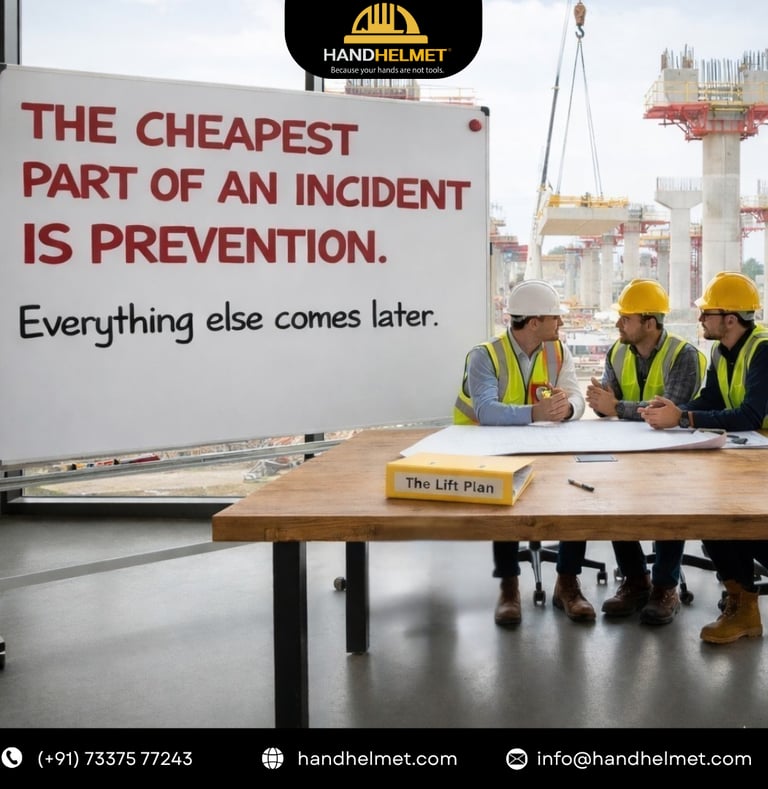
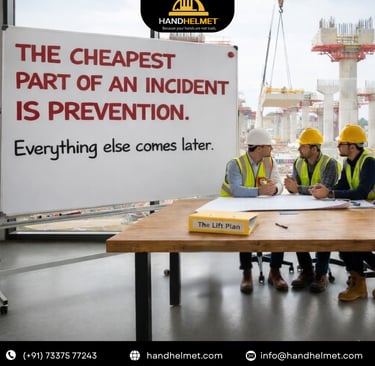
The Cheapest Part of an Incident Is Prevention
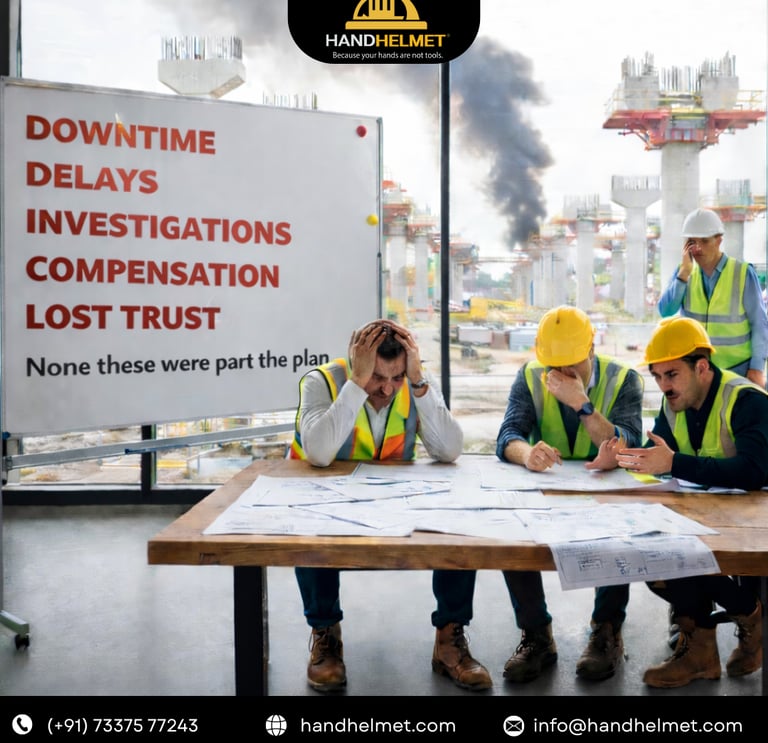
Downtime, investigations, delays, compensation, and lost trust always cost more than control.
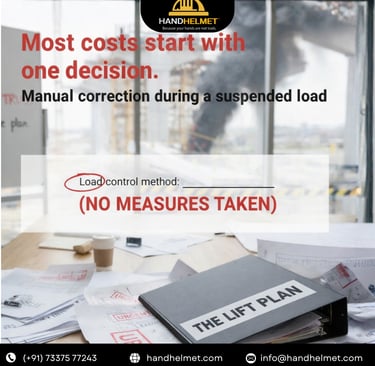
Yet on construction and infrastructure sites, the most expensive mistakes still happen during one moment that is often underestimated—load control during lifting operations.
Hand Helmet Load Control Rigger TagLines exist for one reason: To stop the costliest incident before it happens.
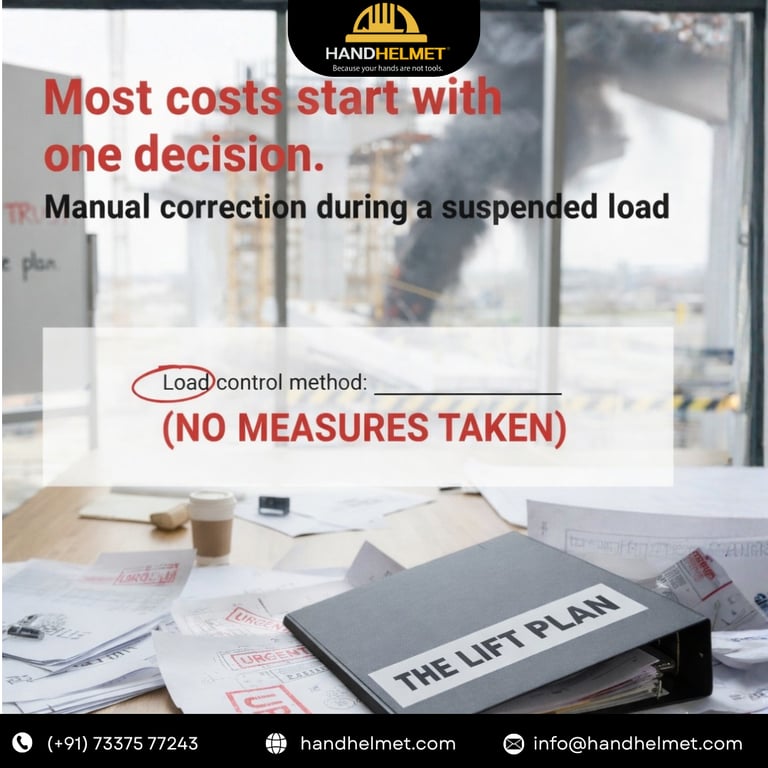
Accidents Don’t Start With Injuries. They Start With Decisions.
Every major site incident—whether on a high-rise project, metro rail corridor, bridge construction, port operation, or industrial facility—begins with a small decision that felt harmless at the time.
“Just guide it by hand.”
“It’s stable enough.”
“We’ve done this before.”
Most costs don’t show up immediately. They appear after the incident:
Work stoppage and downtime
Internal and external investigations
Project delays and penalties
Compensation and medical costs
Loss of trust with clients, consultants, and authorities
None of these were part of the original plan.
All of them were preventable.
Manual Load Correction: The Hidden Risk in Every Lift
Concrete slabs, rebar cages, steel beams, precast panels, containers—these loads are never truly predictable once suspended.
When workers use their hands to:
Control swing
Align loads
Stabilize rotation
they unknowingly put themselves in the most dangerous position on site.
Hands are exposed.
Reaction time is limited.
One unexpected movement is enough.
Hands were never meant to be load-control tools.
Prevention Isn’t an Expense. It’s Cost Control.
The real cost of lifting operations isn’t the rigging equipment—it’s the risk left unmanaged.
Effective load control:
Reduces injury probability
Maintains workflow continuity
Protects timelines and budgets
Demonstrates proactive EHS leadership
This is where prevention becomes the cheapest and smartest investment on any project.
How Hand Helmet Load Control Rigger Tag Lines Change the Equation
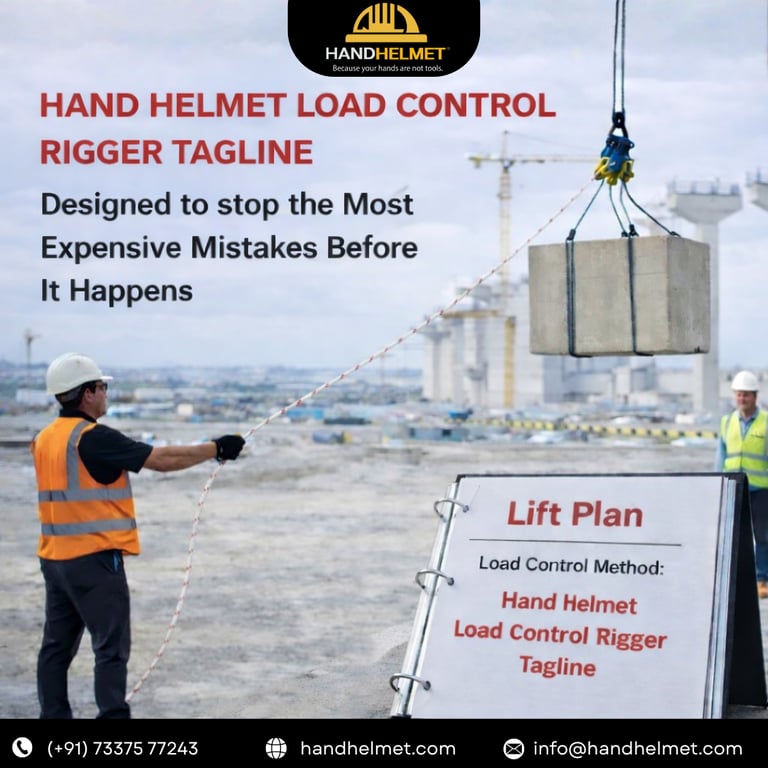
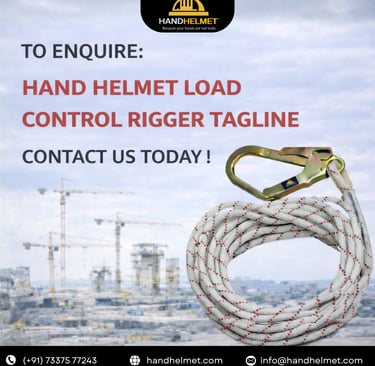
Hand Helmet Load Control Rigger TagLines are designed to remove hands from the danger zone during lifting operations.
They allow workers to:
Control suspended loads from a safe distance
Maintain alignment without manual contact
Reduce sudden impact and swing risks
Follow lift plans with discipline and consistency
Instead of reacting to movement, teams control it by design.
This isn’t just safer—it’s more efficient, more professional, and more accountable.
Built for Real Construction Environments
Hand Helmet solutions are trusted across:
High-rise buildings
Bridges and infrastructure projects
Metro rail construction
Ports and heavy logistics zones
Industrial construction sites
Wherever loads move above people, control matters more than speed.
For EHS Leaders, the Message Is Clear
If you’re an:
EHS Manager responsible for risk reduction
Site Engineer focused on smooth execution
Project Manager protecting timelines and reputation
Lifting Supervisor accountable for every safe lift
Then prevention isn’t optional—it’s leadership.
Choosing proper load-control methods sends a clear message:
Safety is planned. Not improvised.
The Smartest Decision Happens Before the Lift
Incidents are expensive.
Investigations are disruptive.
Lost trust is hard to recover.
Prevention, however, is simple.
The cheapest part of an incident is stopping it from happening.
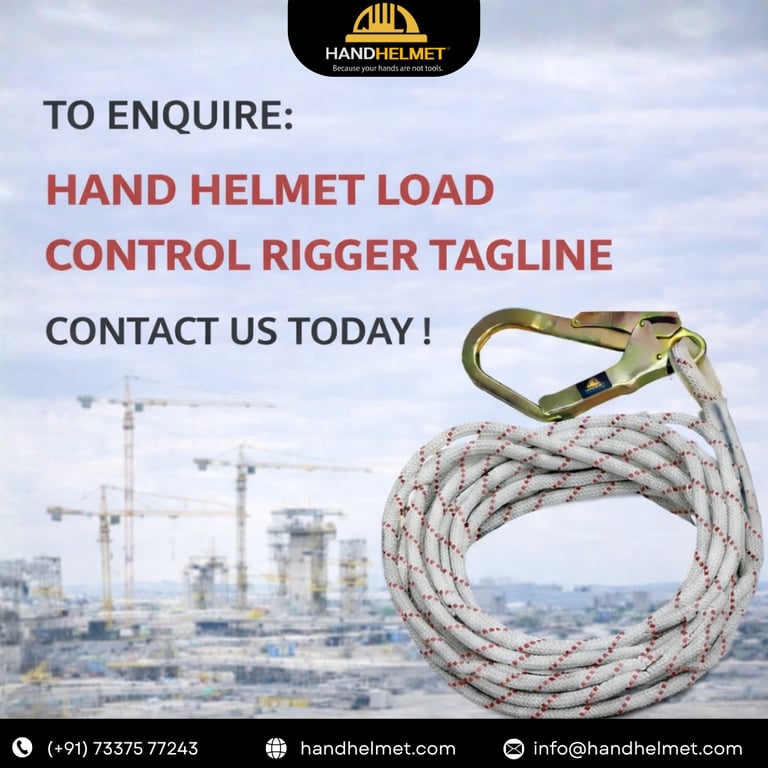
Hand Helmet Load Control Rigger TagLines are designed to do exactly that.
Ready to Make Prevention Your Strongest Safety Strategy?
📞 +91 7337577243
🌐 Visit handhelmet.com
📩 info@handhelmet.com
Because hands are not tools.
Contact
+91 7337577243
info@handhelmet.com
handhelmet.com