Finger Safety in Petrochemical Plants: Why Hammering Tasks Still Injure Skilled Hands

In the petrochemical industry, hand injuries are rarely caused by ignorance.
They occur despite experience, training, PPE compliance, and decades of operational knowledge.


Hammering tasks—often considered routine—remain one of the highest contributors to finger crush and pinch injuries across refineries, chemical plants, and downstream facilities. These incidents typically happen during maintenance, turnaround, and corrective work, when speed, precision, and space constraints collide.

This is where engineering-based safety equipment, not just procedural controls, becomes critical.

Understanding the Hammering Risk Profile in Petrochemical Operations

Hammering in petrochemical environments is fundamentally different from general industrial settings. Tasks are performed:

  1. Near pressurized systems

  2. Around moving or partially isolated equipment

  3. In confined spaces with limited hand clearance

  4. On corroded, seized, or misaligned components

Common hammering applications include:

  1. Valve seating and unseating

  2. Flange alignment and gasket positioning

  3. Pin and wedge insertion

  4. Bracket and support adjustment

  5. Equipment installation during shutdowns

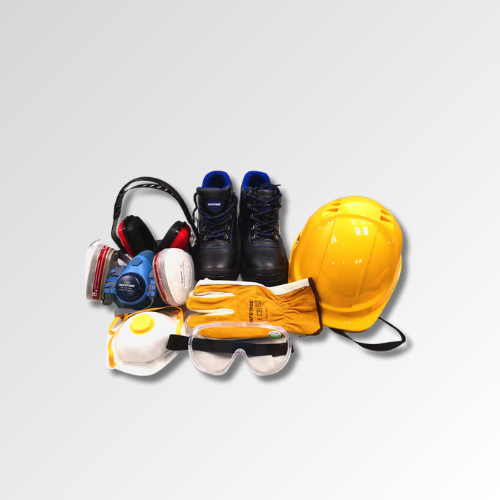
In each scenario, hands naturally enter the line of fire to stabilize components. Gloves may protect skin, but they do not prevent crush force transmission when a hammer misses or rebounds.

Why Traditional Controls Are Not Enough

Even in well-run petrochemical plants, hammering hazards persist because:

  1. SOPs rely on worker judgment at the moment of impact

  2. Gloves reduce abrasion but not bone or tendon damage

  3. Training cannot eliminate human reflex under pressure

  4. Time-critical jobs reduce margin for error

True risk reduction requires physical separation between fingers and the strike zone.

This is the gap that FingerSafe is designed to close.

FingerSafe: Application-Driven Safety Equipment for Hammering Tasks

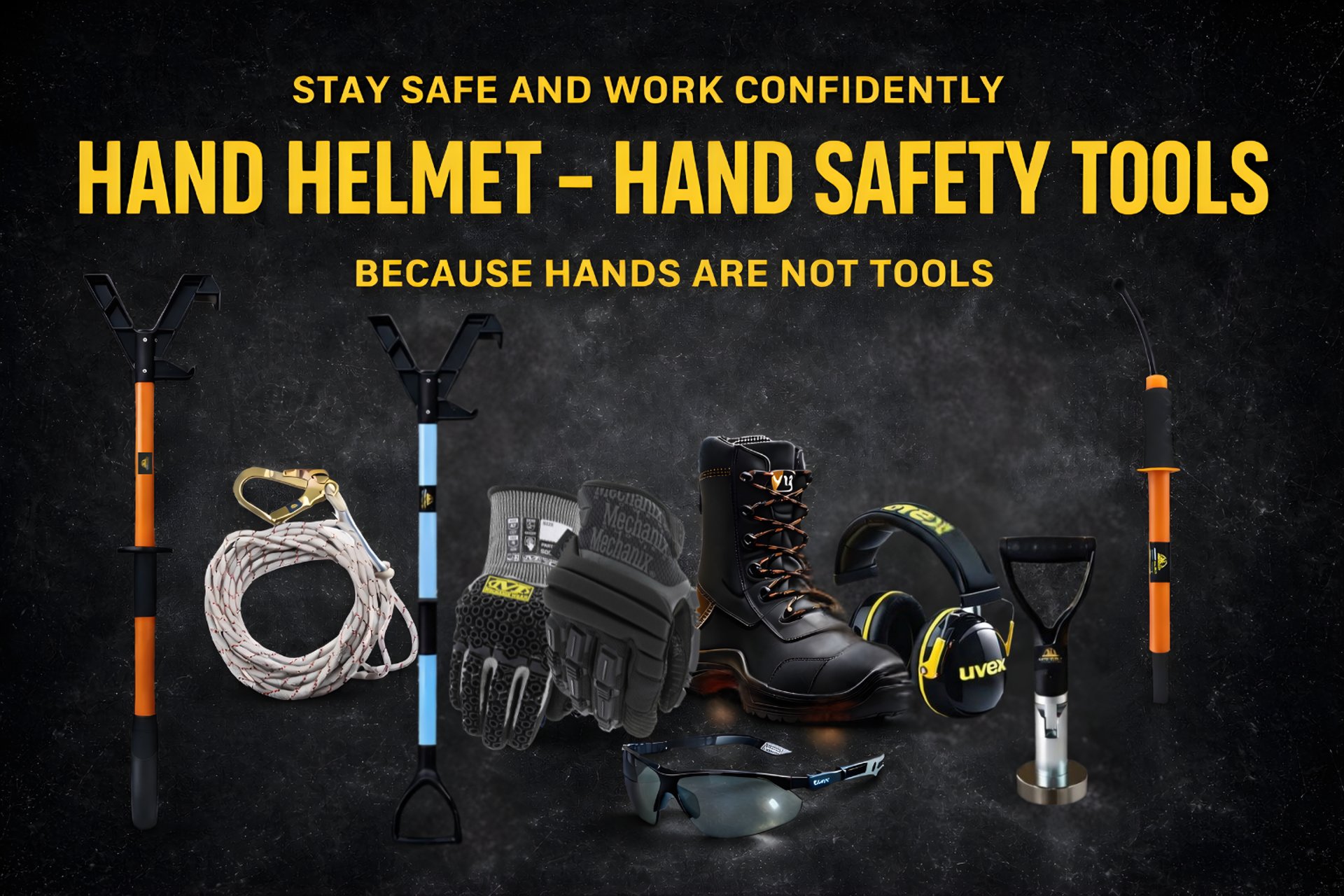
Hand Helmet FingerSafe is not an accessory.
It is task-specific safety equipment engineered for impact-related operations.

 
Core Application Principle


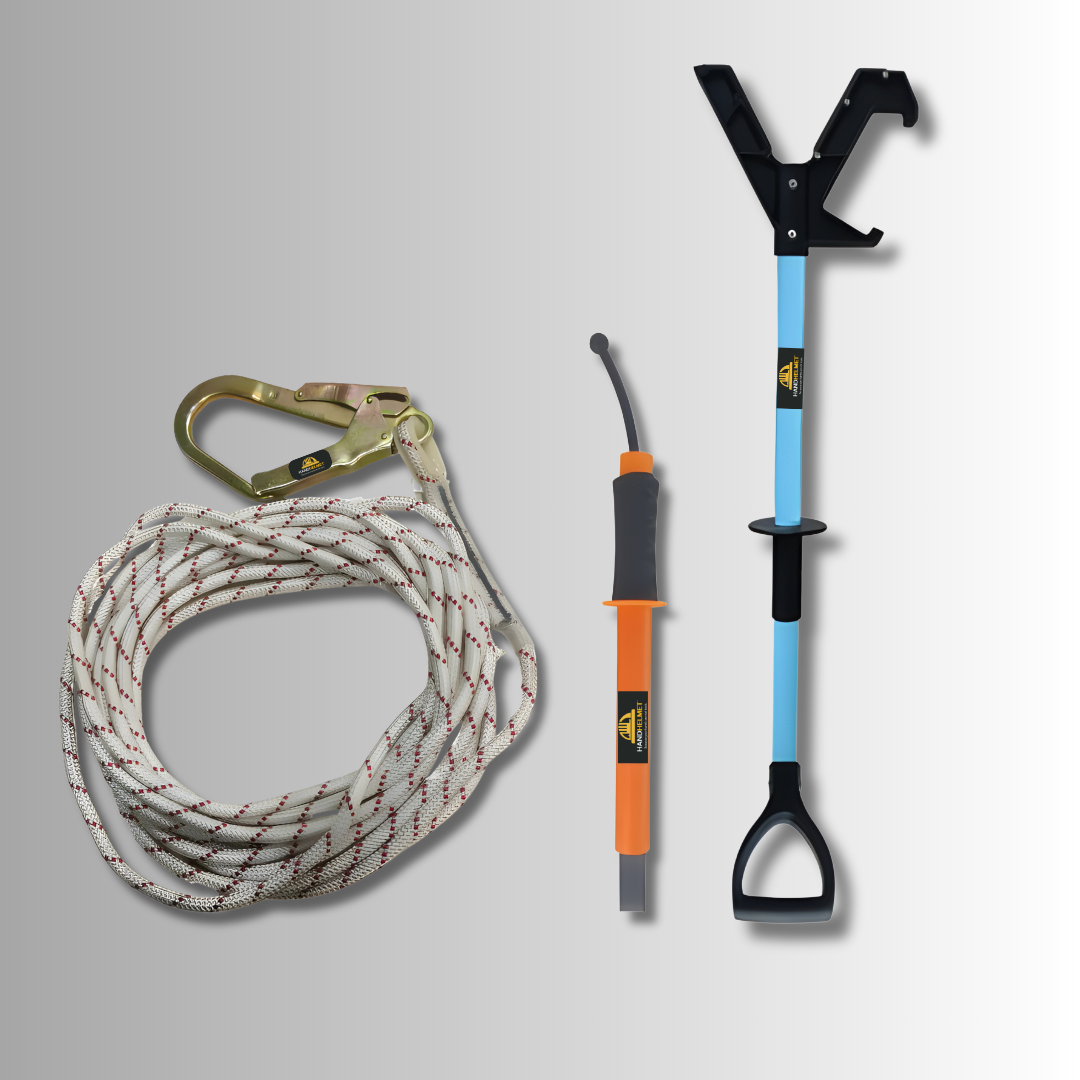
FingerSafe acts as a buffer and guide, allowing workers to hold, position, and stabilize components without exposing fingers to direct hammer strike or pinch zones.

Real-World Applications in Petrochemical Plants

1. Valve Maintenance and Adjustment

During valve seating, workers often hold pins or components in place while striking. FingerSafe maintains hand position outside the direct strike path, reducing risk during repeated impacts.


2. Flange Alignment During Shutdowns

Flange work frequently involves tight tolerances and misalignment correction. FingerSafe allows controlled positioning while preventing finger placement between mating surfaces.


3. Pin, Wedge, and Bracket Installation

Pins and wedges require precision. FingerSafe enables accurate placement while keeping fingers protected from rebound or glancing blows.


4. Confined Space Hammering

In restricted areas, hammer swing paths are compromised. FingerSafe compensates by maintaining safe finger clearance, even when visibility and posture are limited.

Built for Harsh Petrochemical Conditions

FingerSafe is engineered to perform where standard tools fail.

 
Key Performance Features


  1. Guards fingers from pinch zones and moving parts during impact tasks

  2. High-durability materials built for harsh environments, including exposure to oil, chemicals, heat, and abrasion

  3. Easy integration into any industrial workflow without altering tools, permits, or procedures

It fits naturally into existing maintenance practices, making adoption frictionless.

Safety Equipment That Workers Actually Use

One of the biggest challenges in petrochemical safety is behavioral acceptance. FingerSafe overcomes this by:

  1. Not slowing down the task

  2. Not requiring retraining

  3. Not interfering with grip or control

When safety equipment enhances control rather than restricting it, usage becomes voluntary—not forced.

From Injury Prevention to Operational Continuity

Every finger injury carries hidden costs:

  1. Lost man-hours

  2. Medical expenses

  3. Investigation time

  4. Shutdown delays

  5. Regulatory scrutiny

FingerSafe addresses these risks at the task execution level, where injuries originate. It transforms hammering from a judgment-based activity into a controlled, engineered process.

Final Thought: Engineering Out the Risk

Petrochemical safety has evolved from PPE to procedures to engineering controls. FingerSafe represents the next step—task-specific safety equipment designed to eliminate exposure, not manage consequences.

When fingers are removed from the danger zone, injuries stop being statistics and start becoming preventable.

Contact Us

Email – info@handhelmet.com

Phone – +91 7337577243