Personal Protection Tools: Your Last Line of Defense Against Workplace Hazards
Introduction
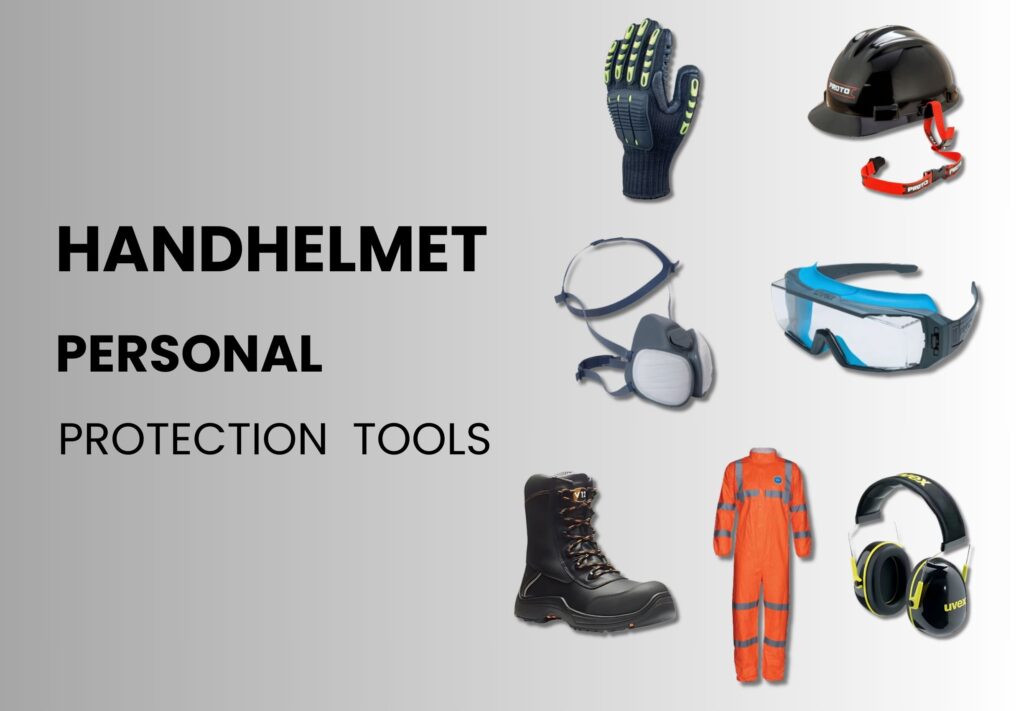
In any work environment, ensuring the safety and well-being of employees is paramount. While engineering and administrative controls are essential for minimizing risks, Personal Protection Tools serves as the final barrier between workers and potential hazards. PPE encompasses a wide range of equipment designed to protect individuals from head to toe, safeguarding against injuries and illnesses resulting from physical, electrical, mechanical, chemical, biological, and other workplace hazards.
Understanding PPE and Its Importance
PPE refers to protective clothing, helmets, goggles, or other equipment designed to shield the wearer’s body from injury. It is utilized to minimize exposure to chemical, biological, and physical hazards, acting as the last line of defense when other controls are insufficient.
Why is PPE Important?
Prevents Unnecessary Injuries: PPE helps prevent workplace injuries by providing a barrier against hazards.
Protects Against Exposure: It shields employees from excessive chemical exposure and other harmful substances.
Reduces the Spread of Infection: PPE, such as respirators and masks, can prevent the spread of germs and infectious diseases.
Ensures Regulatory Compliance: Providing suitable PPE is often required by law, ensuring employers comply with safety regulations.
Improves Productivity: A safe working environment boosts employee morale, productivity, and efficiency.
Types of PPE and Their Applications
Selecting the right PPE is crucial for ensuring adequate protection. A hazard assessment can help identify which specialized PPE is required for specific tasks. Here’s a detailed look at the different types of PPE available:
Head Protection: Hard Hats and Helmets
Purpose: Protects the head from falling objects, impacts, and electrical hazards.
Applications: Construction sites, manufacturing plants, mining operations, and any environment where there is a risk of head injury.
Safety Tips:
Ensure there are no dents or deformities on the shell.
Check that connections are tightened inside.
Do not store in direct sunlight, as extreme heat can cause damage.
Replace a hard hat after any kind of impact, even if the damage is unnoticeable.
Eye and Face Protection: Safety Glasses, Goggles, and Face Shields
Purpose: Protects the eyes and face from flying particles, chemical splashes, sprays of toxic liquids, and burns.
Applications: Laboratories, construction, manufacturing, welding, and healthcare settings.
Safety Tips:
Check if safety glasses comply with the ANSI Z87.1 eye protection standard.
Ensure there are no cracks or deformities on the lenses.
Ensure the strap is in good working condition and firmly sealed to the cheek and forehead.
Clean and disinfect after use.
Skin and Body Protection: Safety Vests, Suits, and Coveralls
Purpose: Protects employees from physical hazards such as extreme temperatures, flames, sparks, toxic chemicals, insect bites, and radiation.
Applications: Construction, chemical handling, welding, and environments with extreme temperatures.
Safety Tips:
Ensure they are clean and free from cuts and burns.
Always get a good fit to ensure full body protection.
Ensure the bodysuit is heat-resistant clothing when working with high-temperature hazards.
Hand Protection: Safety Gloves
Purpose: Protects hands from burns, absorption of harmful substances, cuts, fractures, and amputations.
Applications: Construction, chemical handling, healthcare, and manufacturing.
Types of Gloves:
Chemical-resistant gloves: Protect against toxic or corrosive substances.
Cut-resistant gloves: Protect against sharp tools and materials.
Thermal protection gloves: Protect against extreme temperatures.
Impact-resistant gloves: Protect against heavy machinery and materials.
Disposable gloves: Protect against chemicals, pathogens, and contamination.
General purpose gloves: Protect against dirt, abrasions, and minor cuts.
Safety Tips:
Ensure hand protection fits perfectly with no spaces and is free from cuts, burns, and chemical residue.
Always replace them if any sign of contamination is observed.
Use rubber gloves when working with heat and electricity to reduce the risk of burn or electrical shock.
Foot Protection: Safety Boots and Shoes
Purpose: Protects feet and legs from falling or rolling objects, hot substances, electrical hazards, and slippery surfaces.
Applications: Construction, manufacturing, and any environment with potential foot hazards.
Safety Tips:
Ensure boots have slip-resistant soles that can protect against compression and impact.
Ensure the sole plate is in good condition to prevent punctures.
Fall Protection: Safety Harnesses and Lanyards
Purpose: Prevents falls from heights and reduces the risk of serious injury or death.
Applications: Construction, roofing, and maintenance work at elevated heights.
Safety Tips:
Ensure that the straps are free from tears, deformities, and burn marks.
Check the buckles if connected securely and tightly.
Dispose of the equipment if used after a falling incident.
PPE Safety Requirements and Best Practices
To maximize the effectiveness of PPE, it’s essential to follow safety requirements and best practices:
Regular Site Checks: Check work sites regularly to assess the need for PPE.
Properly-Fitted PPE: Provide employees with properly-fitted PPE.
Training: Train employees on OSHA PPE standards.
Mandatory Use: Require that safety glasses are worn at all times in worksites that pose a risk of eye punctures, abrasions, contusions, or burns.
Accessible Facilities: Ensure that eyewash facilities and quick drench showers are easily accessible for employees when they are accidentally exposed to corrosive materials.
Safe Disposal: Establish safe work procedures for disposing of or decontaminating PPE after hazardous exposures.
Conclusion
Investing in high-quality PPE is crucial for maintaining a safe and healthy work environment. By understanding the different types of PPE available, their applications, and the importance of proper use and maintenance, employers and employees can work together to minimize workplace hazards and prevent injuries24. PPE is more than just equipment; it’s a commitment to safety and a culture of care